A. Individual flat or terrace plants
Only where an owner has dedicated roof or terrace access and the society permits it. Follows the normal PM Surya Ghar residential rules.
For committees in Kerala
Cut your common-area electricity bill. We start with a free feasibility study, with no commitment.
PM Surya Ghar empanelled · Process first · No invented project counts

Apartment associations, gated communities, residents’ welfare associations and builders’ managed communities in Kerala. If you sit on the committee — president, secretary, treasurer or member — and you want a clear picture before any vote, start here.
Pick the route that matches roof rights, meters and your bye-laws. We recommend one after the study.
Three metering routes for apartment buildings — simplified.
Only where an owner has dedicated roof or terrace access and the society permits it. Follows the normal PM Surya Ghar residential rules.
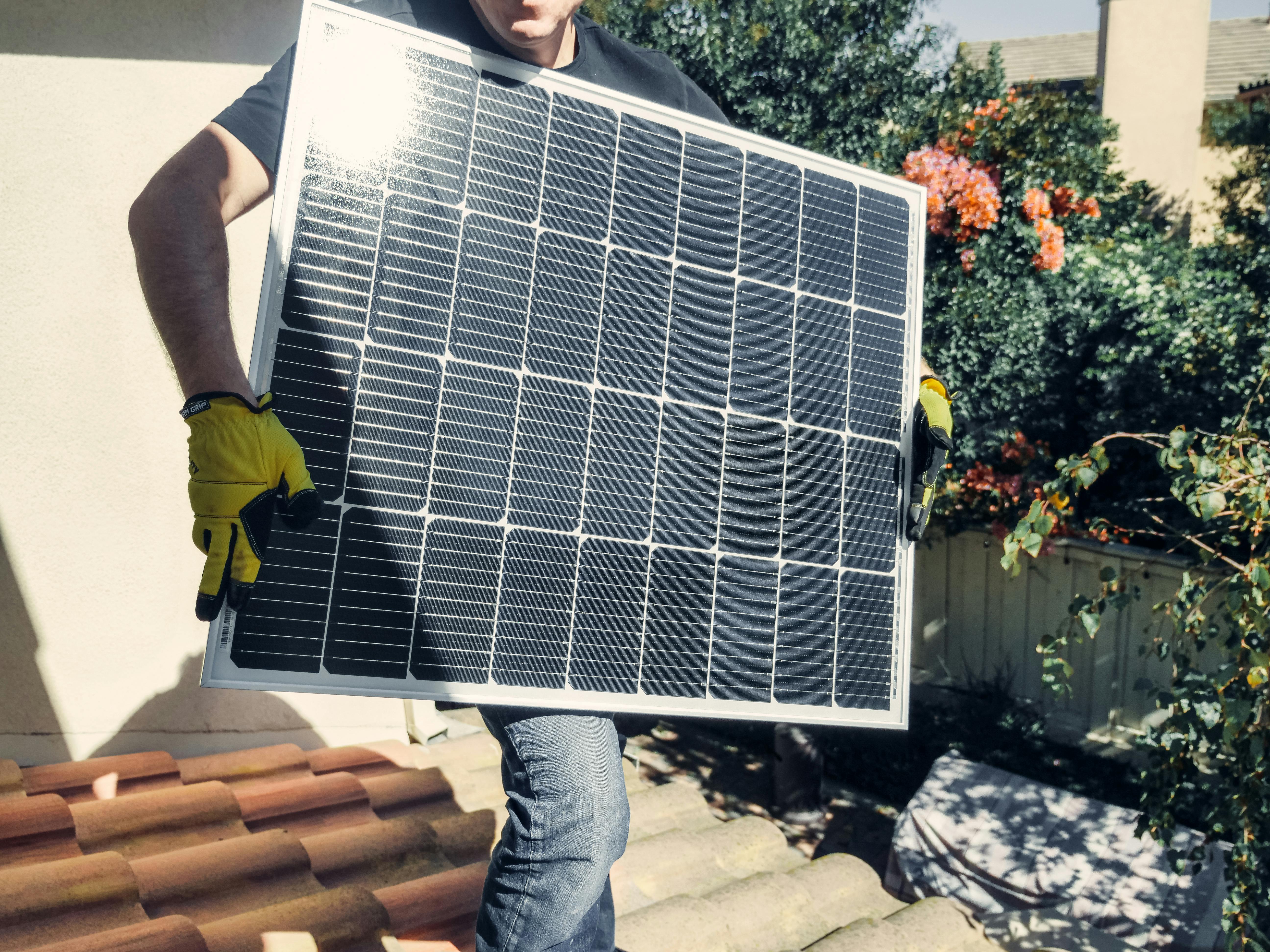
One plant for lifts, water pumps, corridor and basement lighting, and EV charging. Society-level subsidy and approvals apply (see below).
One plant, credits shared among participating flats under an agreement. Under KSERC’s 2025 regulations, VNM for multi-storied residential buildings and residents’ associations needs energy storage of at least 20% of the plant’s generation potential, a Lead person, a society resolution, a credit-sharing agreement and KSEB approval. Minimum plant size is 10 kW. Implementation on the ground is still maturing in Kerala — we confirm the fit for your building in the study.
Lifts, pumps and lighting often run in daytime hours, when panels generate. That daytime overlap is why common-area loads are a natural fit for rooftop solar. We do not claim typical percentage savings — your last twelve months of bills decide the case.
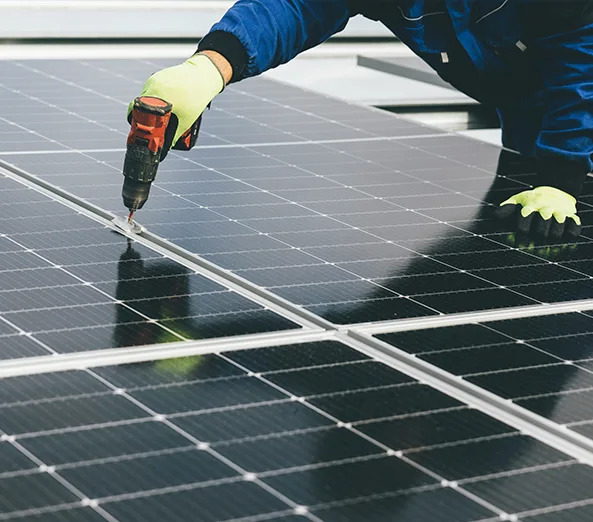
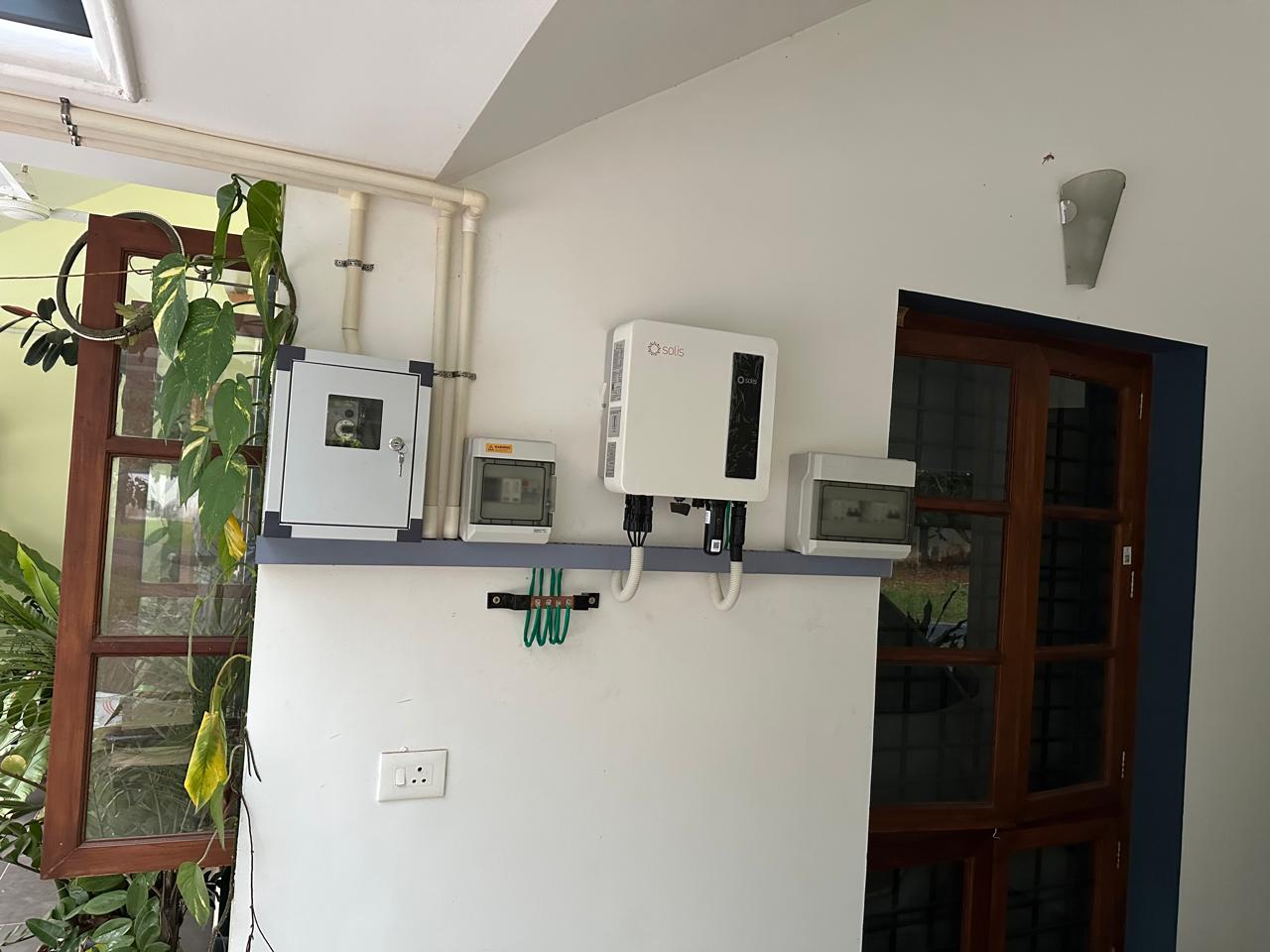
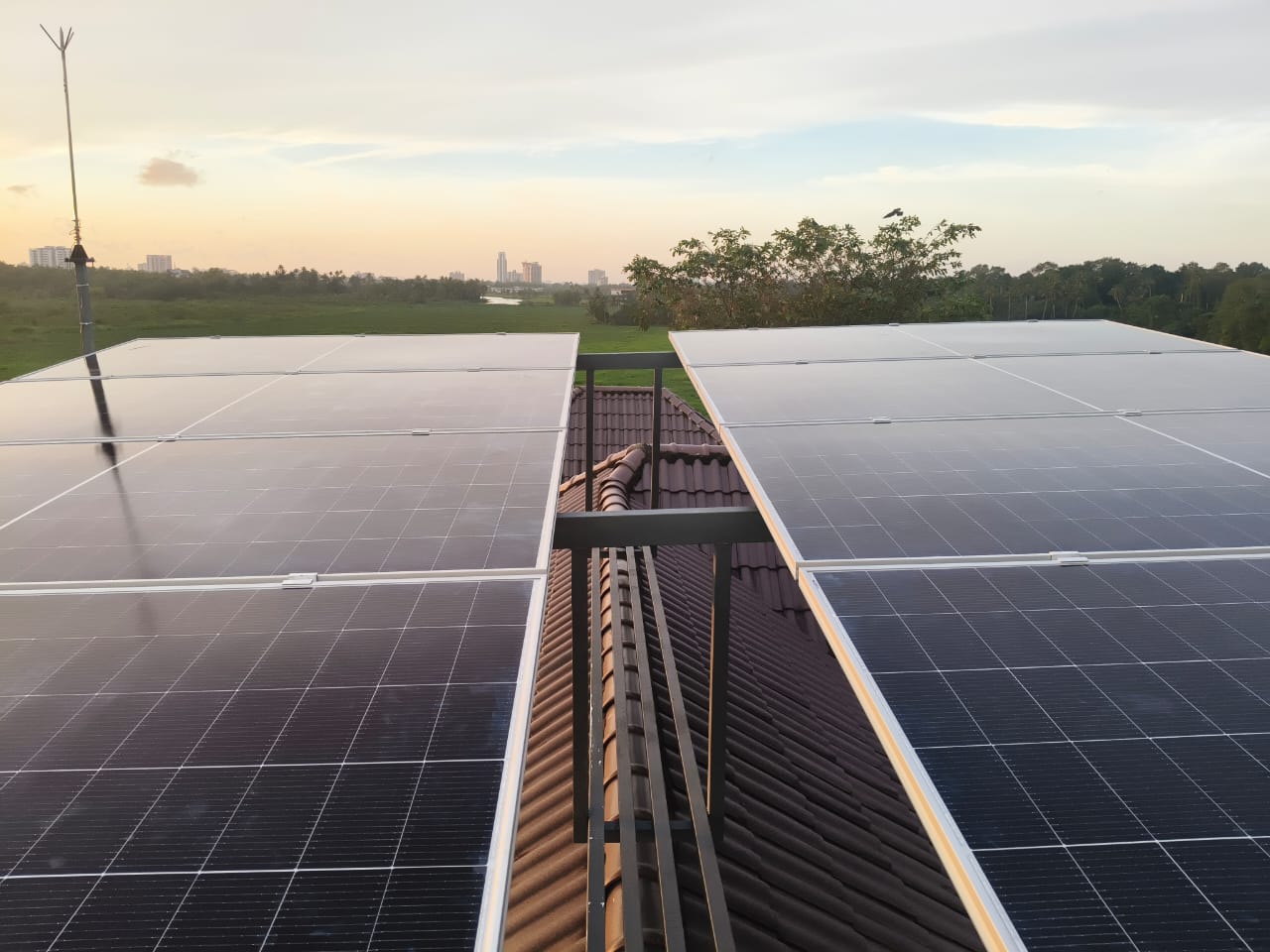
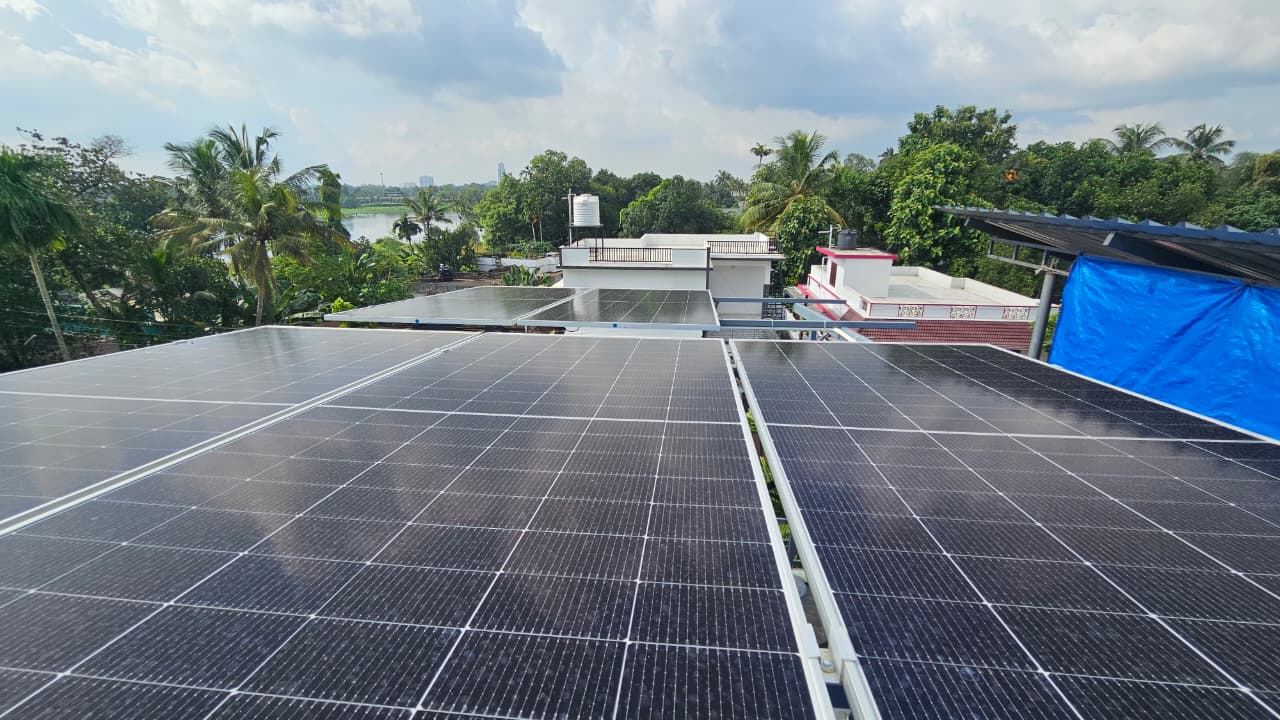
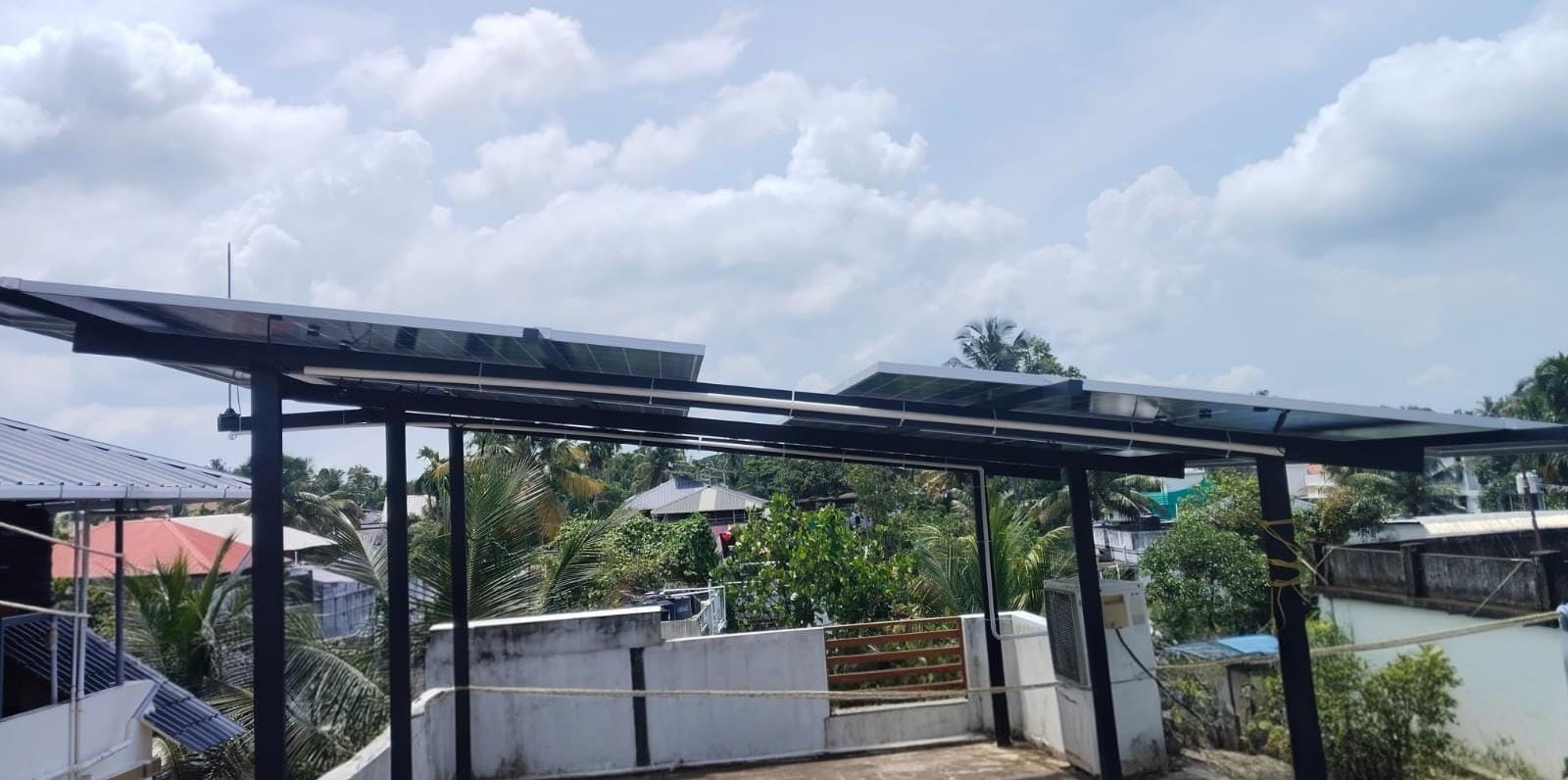
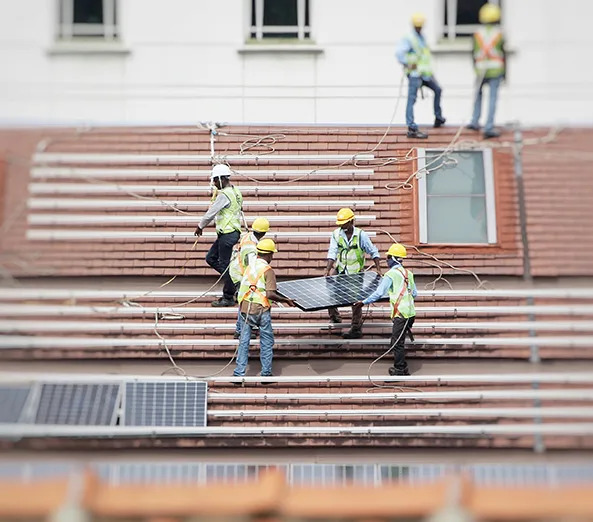
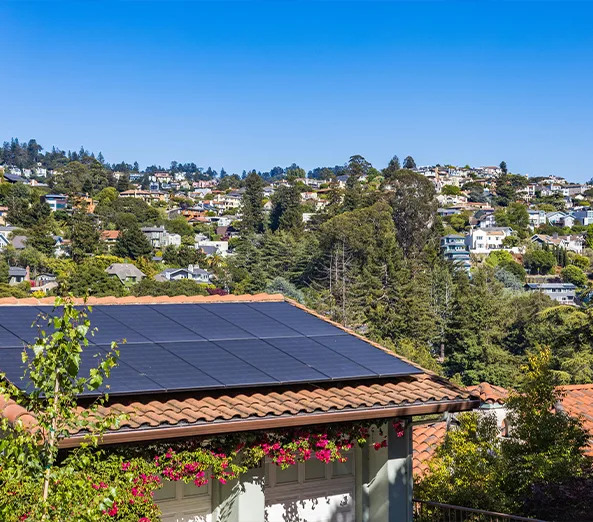
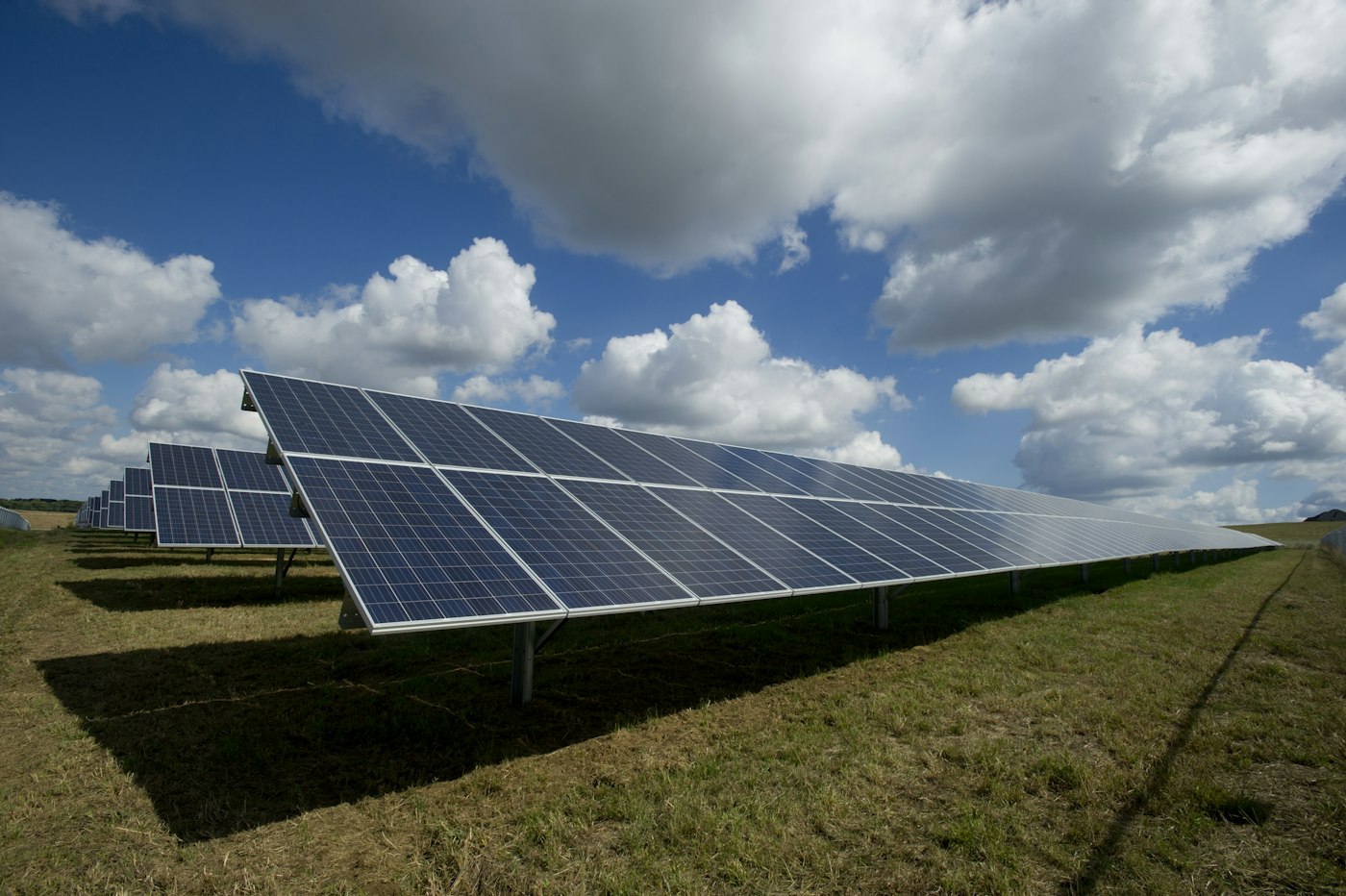
Home installs we have completed — the same quality and process we bring to society feasibility studies.
PM Surya Ghar · GHS / RWA
Under PM Surya Ghar for Group Housing Society / Resident Welfare Association common facilities (including EV charging), Central Financial Assistance (CFA) is ₹18,000 per kW, up to 500 kW capacity (at 3 kW per house), with the upper limit inclusive of individual rooftop plants installed by residents. Source: pmsuryaghar.gov.in.
For comparison, the individual residential CFA is ₹30,000 per kW up to 2 kW; ₹18,000 per kW for the third kW; capped at ₹78,000 above 3 kW.
Under the KSERC (Renewable Energy and Related Matters) Regulations, 2025 (in force from 6 November 2025), net metering is available for common-area service connections of residential high-rise / multi-storied buildings and residential colonies from 1 kW to 500 kW. Plants above 25 kW have hybrid-inverter storage requirements under the same regulations — we size and confirm this during the feasibility study. Source: Kerala Gazette / KSERC regulations, 2025.

From first call to commissioning
Timelines depend on approvals and your society’s decision process — we keep every step clear.
Roof, shade, structure, and 12 months of common-area bills — honest sizing before any deposit.
A clear verbal walkthrough plus a written summary your committee can circulate.
And any NOC your bye-laws require — we flag what to table before the vote.
Layout and kit sized to your actual load and usable roof — not a generic package.
KSEB, national portal and PM Surya Ghar filing handled by our team end to end.
Installation, commissioning and monitoring — after your society decides to proceed.

You receive

Please share
Plain language
The terms committees ask about most — without the jargon.

The electricity meter that powers lifts, pumps and common lighting.
Surplus daytime solar is credited against your bill.
One shared plant whose credits are split across several meters.
The central government subsidy, called Central Financial Assistance.
A registered apartment association, housing society, residents’ welfare association (RWA), or builders’ managed community can explore a common-area plant under PM Surya Ghar Group Housing Society / RWA rules. Individual flat owners with dedicated roof or terrace access may still apply under the normal residential pathway where the society permits it.
This depends on your society’s bye-laws and builder agreement. Most societies need a general body resolution and any NOC the bye-laws require. We review these during the feasibility study.
This depends on your society’s bye-laws and builder agreement. We review these during the feasibility study.
A) Individual flat or terrace plants where an owner has dedicated roof access and the society permits it. B) A common-area plant for lifts, pumps, corridor and basement lighting, and EV charging — net metering up to 500 kW for common service connections under KSERC 2025. C) Shared (virtual) net metering across flat meters: minimum 10 kW, energy storage of at least 20% of generation potential for multi-storied residential / residents’ association plants, plus a Lead person, society resolution, credit-sharing agreement and KSEB approval. Ground implementation of VNM is still maturing in Kerala.
For Group Housing Society / RWA common facilities (including EV charging), PM Surya Ghar CFA is ₹18,000 per kW up to 500 kW capacity, at 3 kW per house, with the upper limit inclusive of individual rooftop plants installed by residents. Final eligibility is confirmed on the national portal (pmsuryaghar.gov.in).
Panels generate in daylight. Night loads use grid power unless you add storage. Daytime common loads — lifts, pumps and lighting that run while the sun is up — often align well with solar generation. We do not claim typical percentage savings; your bills decide the case.
Yes. Common-facility plants under the GHS/RWA pathway can include EV charging. We size against your common-area load and roof space in the feasibility study.
This depends on your society’s bye-laws, the installation agreement and any service plan you choose. We review maintenance expectations during the feasibility study.
Tell us about your building. We will reply with next steps — no spam, no hard sell.